
Art/M.Ade/venture#n+1
(This is a post about a performance/adventure/artthing I did summer 2019 but never published for some reason, maybe because it is a bit rambling, but I am posting now as it touches on a lot of ideas about the outdoors as / art / as research. Contact me if any links have gone down)
Mad art made adventure n, where n is one of a series n+1.
Reportage of mad art as research based on Barrett and Bolt (1a) Creative Arts practice: an amended writing scheme. This has 5 elements.
1. Introduction – What if? Why? Then…
What if?
What if I were to make, in the offline world, a crumb trail like the one left by Hansel, in the Brothers Grimm story Hansel and Gretel, (2) and reimagine it as a path in the online world, like the crumb trail used on websites to show website structure.
Why?
Because I could create a path in the offline world next to one in the online world. The online world, the internet, exists as both a virtual space of software, and a real place of hardware. In the offline world, I can get wet, or run over, or bitten by a dog, or all three. I want to use art to explore how these two interact.
I can also reconnect with the use of the enactment of myth and story that was part of my Dramatherapy training and use it as art to have an art made adventure in an outdoor setting, and be back in time for tea. Bonus!
Then…
I could wander around the place where I live, with a bag of bread, with slices imprinted with words and symbols, and drop them and photograph them on the ground along a route from my house to the telephone exchange where the internet comes in, like Hansel left a trail of breadcrumbs to find his way home when his father took him and his sister out into the woods to murder them. Any questions?
2. Practice and Literature Review and Conceptual Framework
Who? When? Where?
John Mulaney – Salt and Pepper Diner
I listened to this sketch and was inspired, as it unfolded, to realise that it could be seen as art as research. Listen below and I will explain myself afterwards.
Why this is art as research?
- It starts with a ‘What if? What if were to play Tom Jones ‘What’s New Pussycat’ 11 times in a row in a diner.
- It has a Why? The answer is ‘…because it would be fun to find out, and I think I can guess, but I do not know because I have not seen it happen. I need observable data’
- The account of the experiment is a well observed, accurate and well presented.
- The experimenter produces quantitative data. In answer to the question, ‘Can you make grown men and women weep tears of joy by playing Tom Jones ‘It’s Not Unusual’? The answer is ‘Yes. If you precede it by seven ‘What’s New Pussycat’s.
- The experimenter provides some psychological or qualitative insight into the effect of seven ‘What’s New Pussycats’. The author suggests jokingly that seven What’s New Pussycat’s in a row in a diner invokes a temporary state in listeners, similar to serious mental illness.
- The exegesis, the art as research term for the reflection and account of the research, is delivered as performance. The research findings are theatre. This is art.
This got me wondering how far you could go, away from traditional research methods and get away with it. What if the research was done as a surreal comedy? Could it work?
Hansel and Gretel put their hands up and said. ‘There is only one way to find out!’
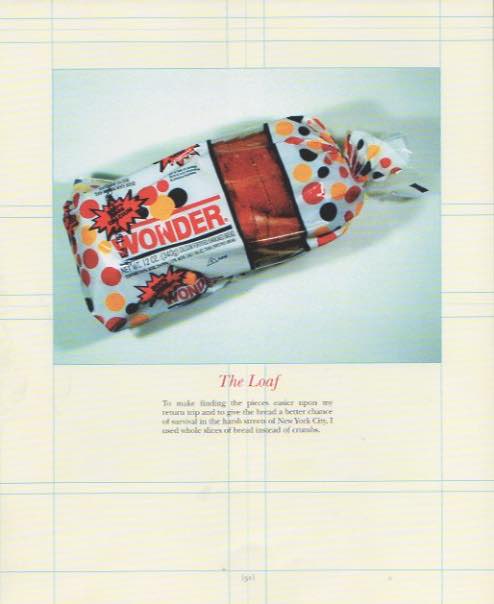
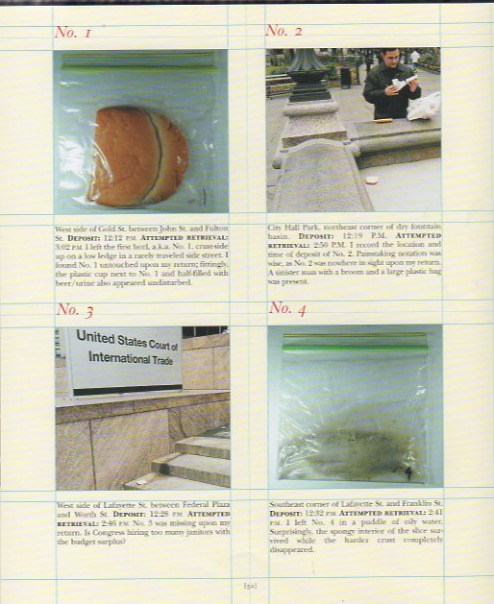
Robert Lemons – The Wonder Bread Tests. 2001
In Speck: A Curious Collection of Uncommon Things by Peter Buchanan-Smith, the artist Robert Lemons writes “On a dreary day in March 2001, I undertook an experiment to test the utility of pieces of bread as trail markers. In the Brother Grimm fairytale, Hansel laid a trail of crumbs to guide Gretel back home… But would a bread trail work in the modern world?”
He laid out 18 slices of bread in New York city and monitored them over time. He concluded by observing “…the great futility of using breadcrumbs as a navigation system: if a piece of bread is conspicuous enough to be findable by the maker of the trail, the piece is too visible to predators such as shopkeepers and pigeons.”
Francis Alys – Architect of the Absurd
Francis Alys trained as an architect and engineer. I like that his roots are outside art, and that his art is at once absurd and profound. There is something in walking and doing art and as research.
All these artists approach art as a journey of exploration, adventure and research. My Crumb Trail is influenced by these artists and their works.
3. Material Methods
Conceptual Frameworks – Why?
Desire Paths – Walking
I lot of my work involves walking. Walking is my material method.
My interest in walking is informed by the idea of ‘Desire Paths’. Partly this comes from thousands of miles walking on footpaths or paddling rivers, where planned routes and desired routes either coalless or collide. Here and Here
The Crumb Trail is one of the dozens of walks I have done locally, going out of my front door, or nearby in pockets of wilderness in the Pennines. Some of this walking is designed by ideas from psychogeography. I use algorithms to give me a direction that is simultaneously predictable but open to the unexpected. Much work has been done but little has gone into the public domain as art. Most of it has been done along the lines of ‘What if I were to go….’ and setting off to see where I go.
Code/Space – Online and Offline Spaces
My own ideas, the work explored by James Bridle and ideas in Code/Space by Rob Kitchin and Martin Dodge. I want to explore where what we see online can be found offline, eg network towers, data centres, fibre cable routes. And how we can be offline, but connected online, eg Google Maps, location setting on devices. Or where you can go and be totally offline, for example at the level of microhabitats where web-ready devices are too big to operate, until, I presume, nanotechnology fills all spaces with locatable microbots.
Performance – Art as Being
Whilst other art forms make something, an art object. performance becomes art through being in a state of performing.
Performance is what happens between things, the interaction between me and the place I am walking in. This could include ideas like those of Richard Long’s ‘A Line Made by Walking’, Here the ‘object’ is a sign of performance. Or it could be performance as understood by ‘Performance Studies’, or see my page on performance studies. In both senses, performance makes something happen, often to influence a witness to the act of performing.
Material Methods – How?
Find Out Where the Internet is
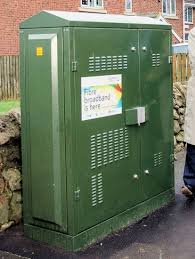
I used Mast Data to find out the locations of the telecom hardware locally. You put in your postcode and get a map. It shows all the telecom hardware nearby and shows who uses each mast etc. Click on a device and it shows you where it transmits etc. I found my BT exchange. I walked about and looked for the fibre optic cabinets to see where the cabling might go. I could not be certain but would assume the cables follow major roads
Make the Crumb Trail in Offline Space
I walked all the roads on my estate using algorithm walks (L,R,LR,LLR etc) and tracked the routes on GPS then put them onto a series of maps using ArcGIS. Then made a movie using After Effects, to show all the routes.

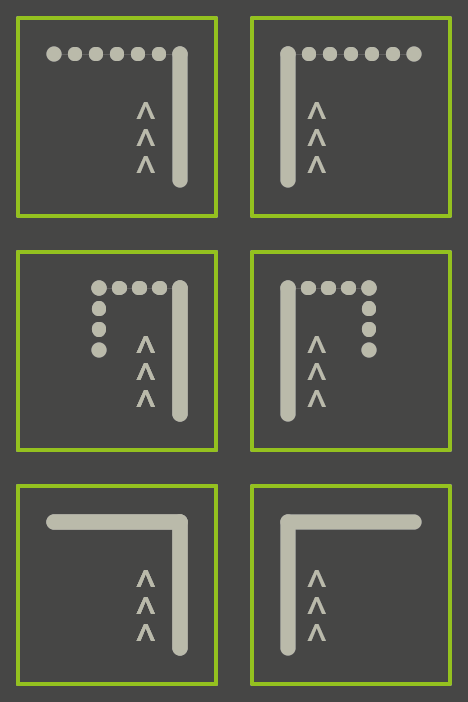
Previously I had done work to make signifiers using Illustrator which could be cut out and used individually as direction signs on the estate to signify routes taken by each algorithm walk.
The idea was to use design or UX principles to make an object that could give a direction, no matter at what angle you viewed it at. Bottom is L or R, above it L or R in a loop, then ignore L or R next turn.
I used these designs to make the equivalent in toast. The problem was that whilst the images were printed so the sign had only one meaning, whereas toast had two sides.
Lucky for me, I found a toast stamp and realised that lettering could only be read one way, so stamping the toast would make the direction signifier only work the way I intended.
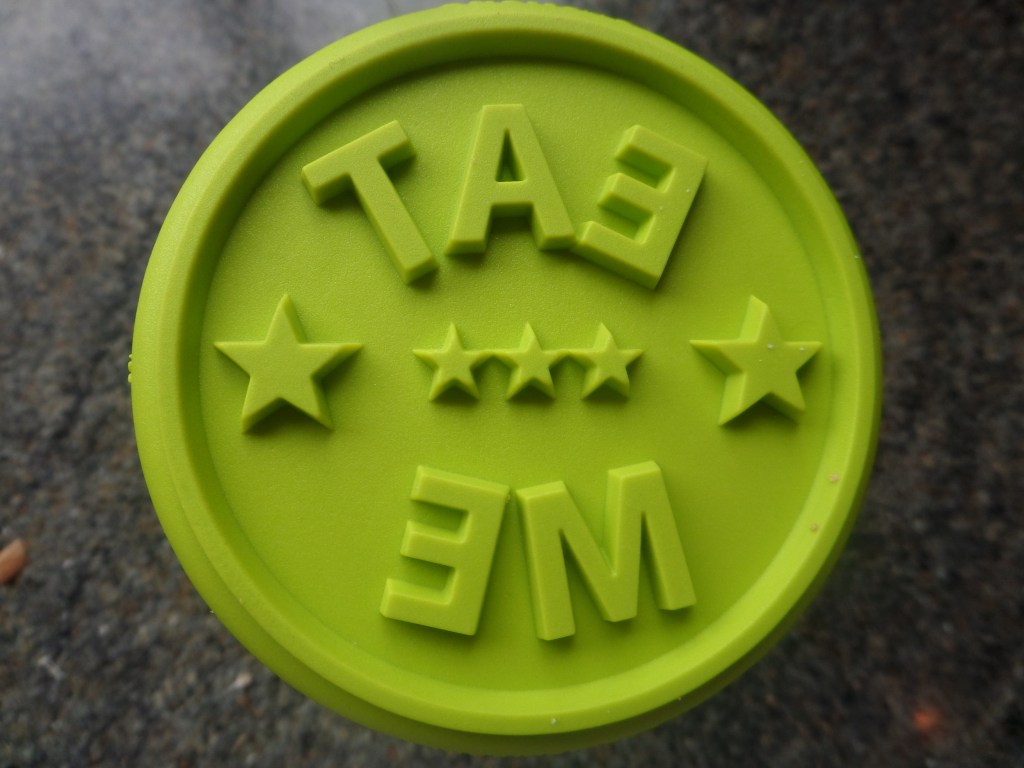

I tried making the sign in toast with a Super Toasty Loaf. This did not really work.
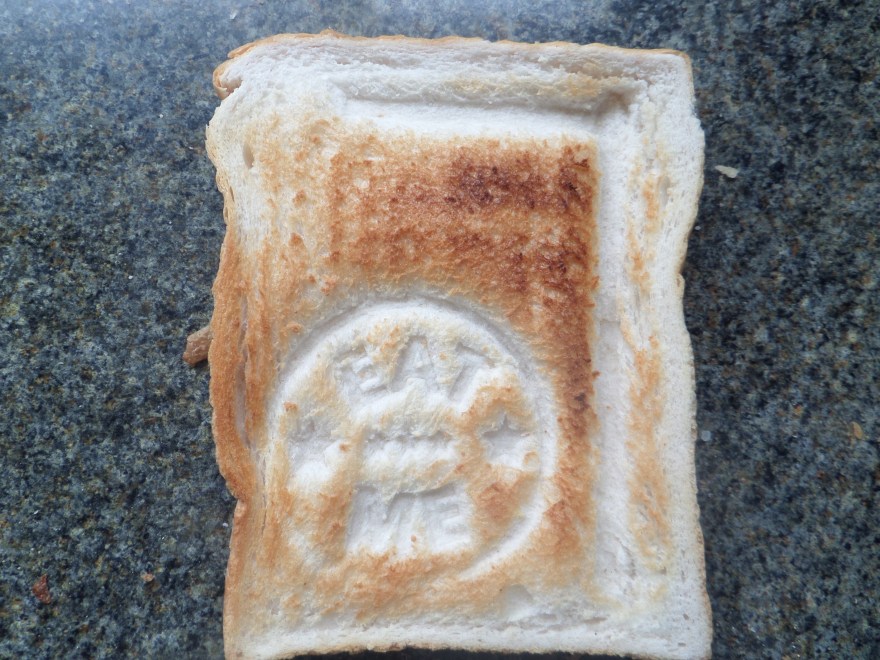
So I tried just using slices of bread which worked better.

I walked the route from my home to the BT exchange with signifiers at strategic junctions.
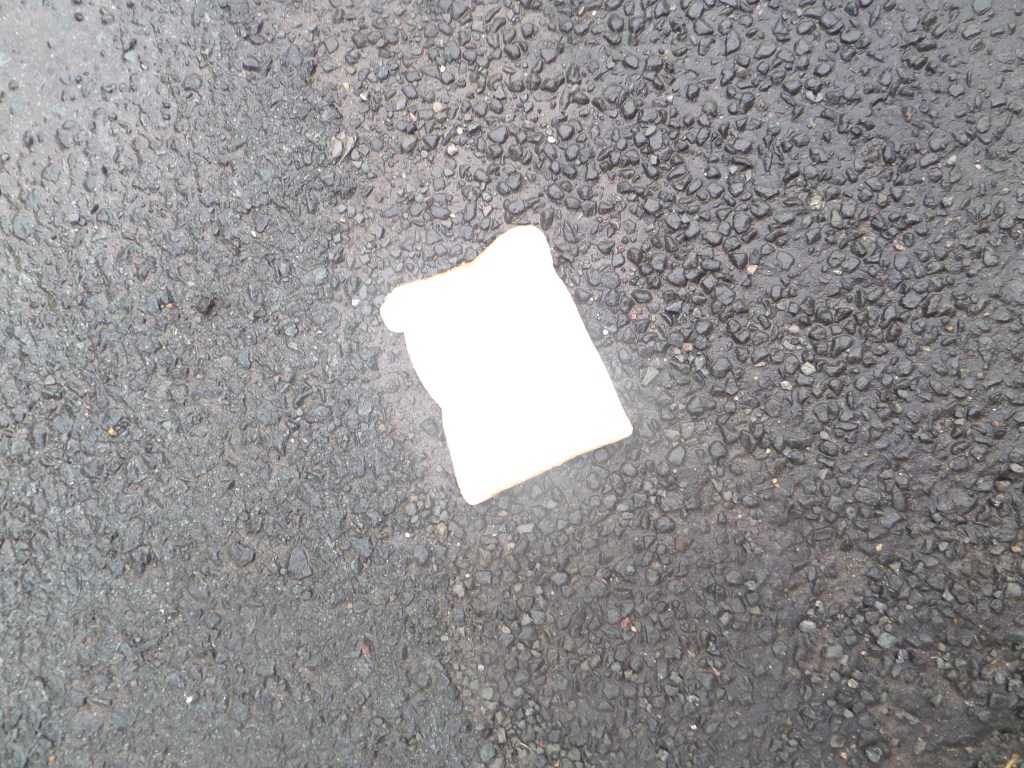
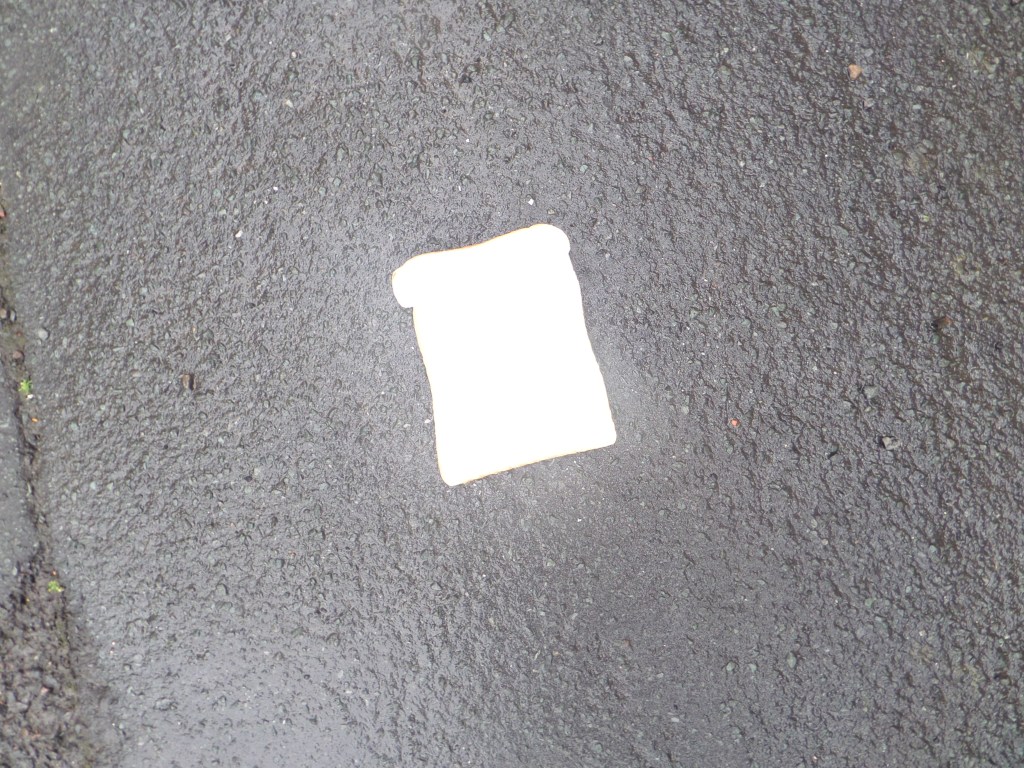
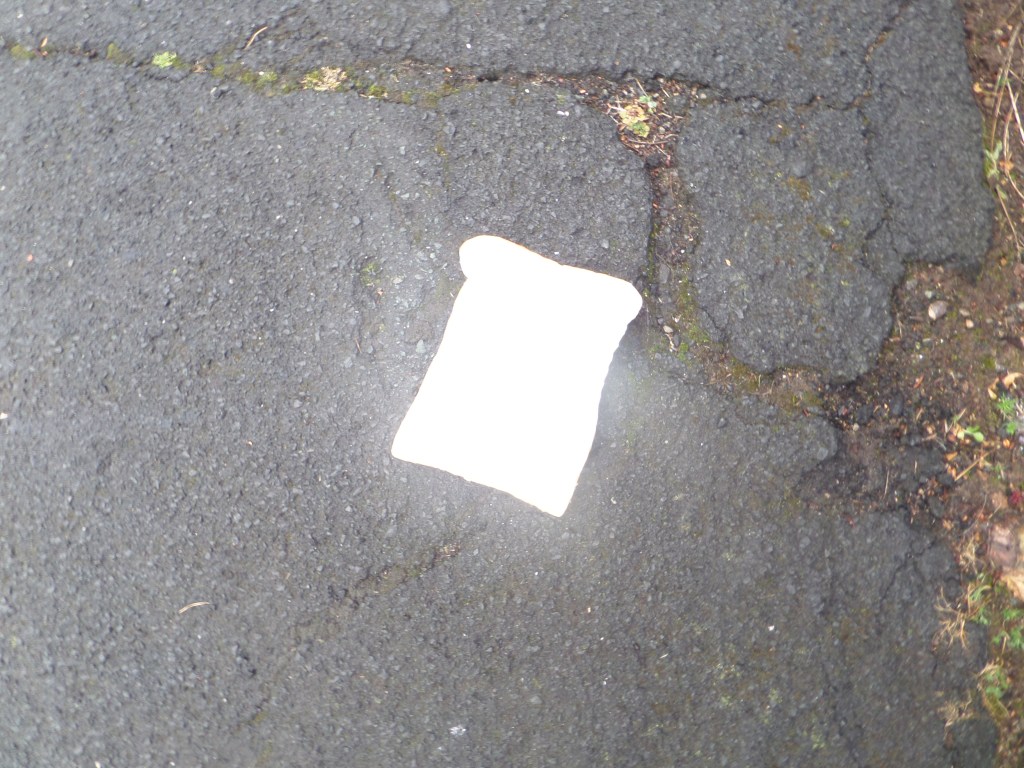

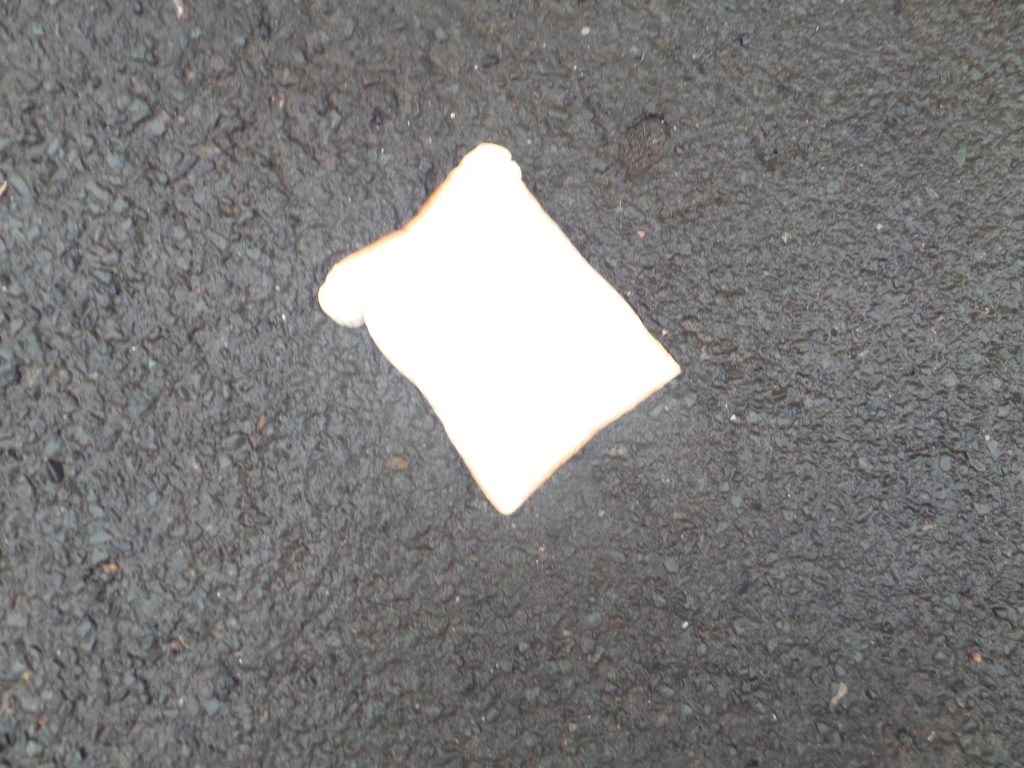
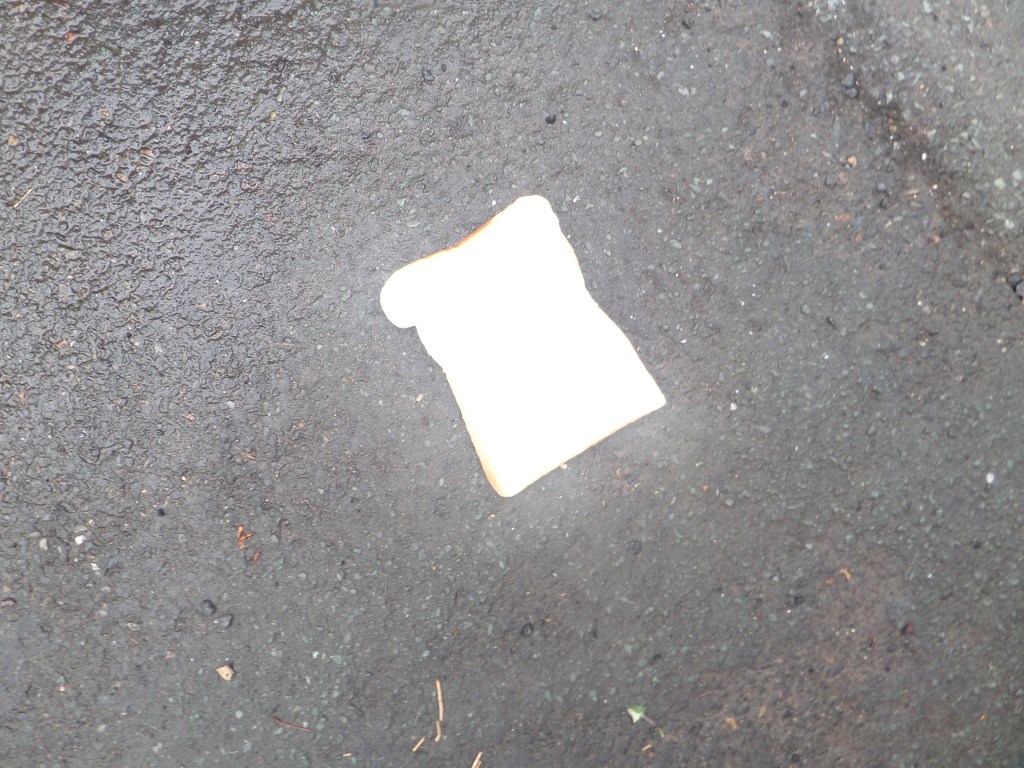
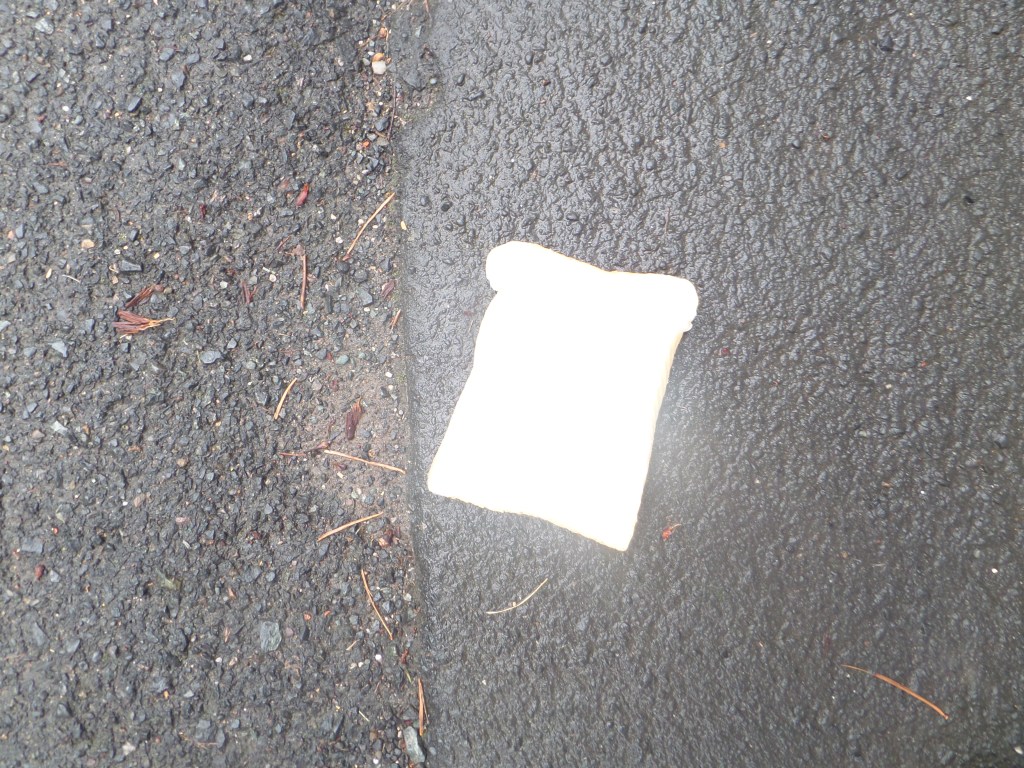
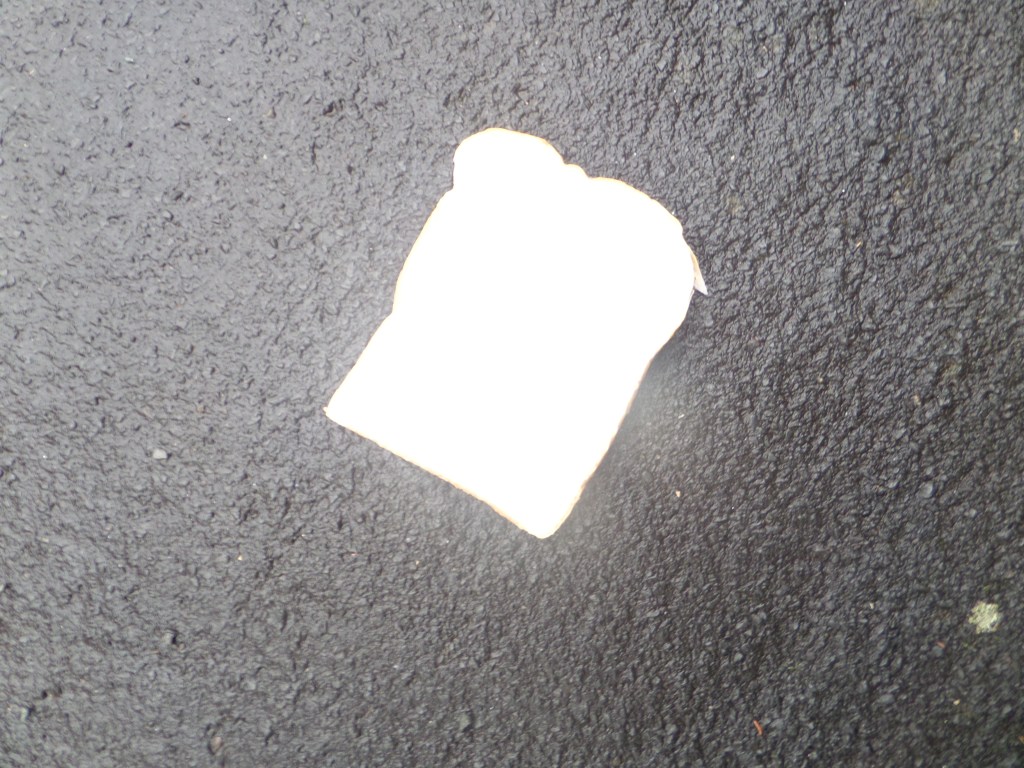
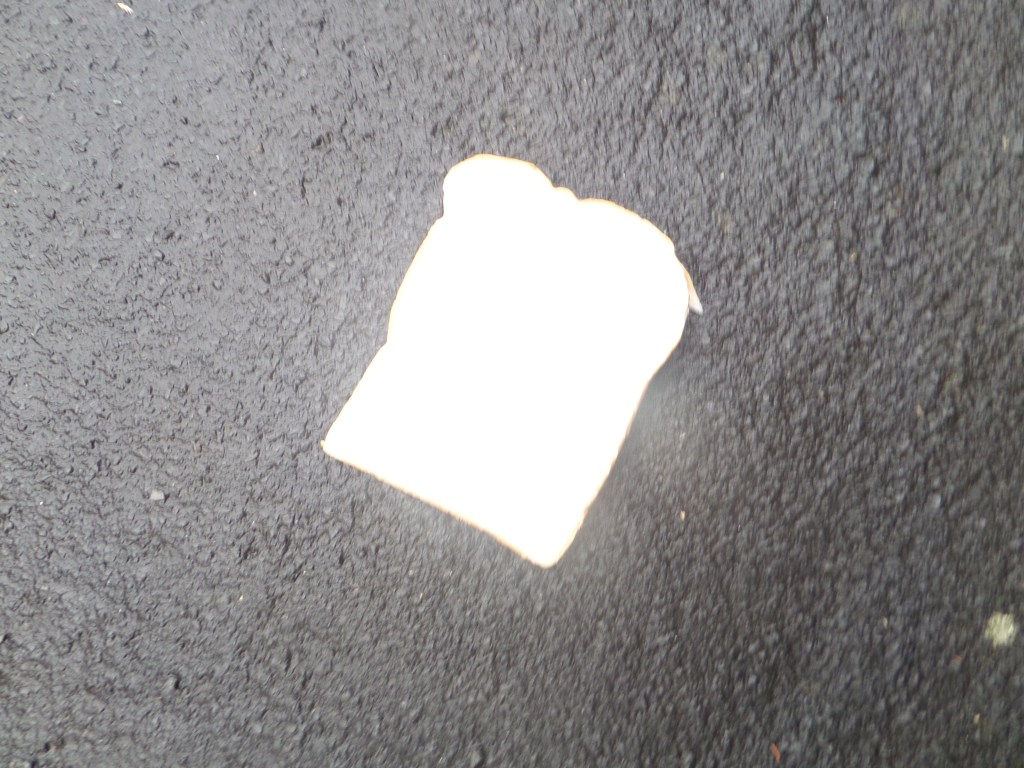
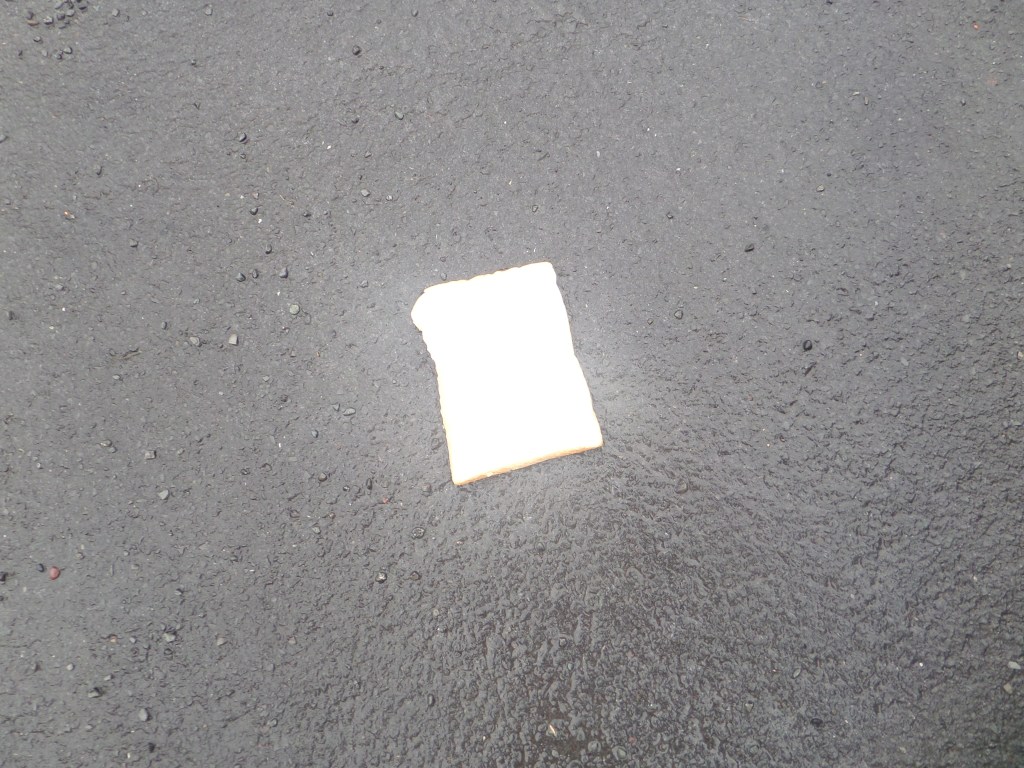
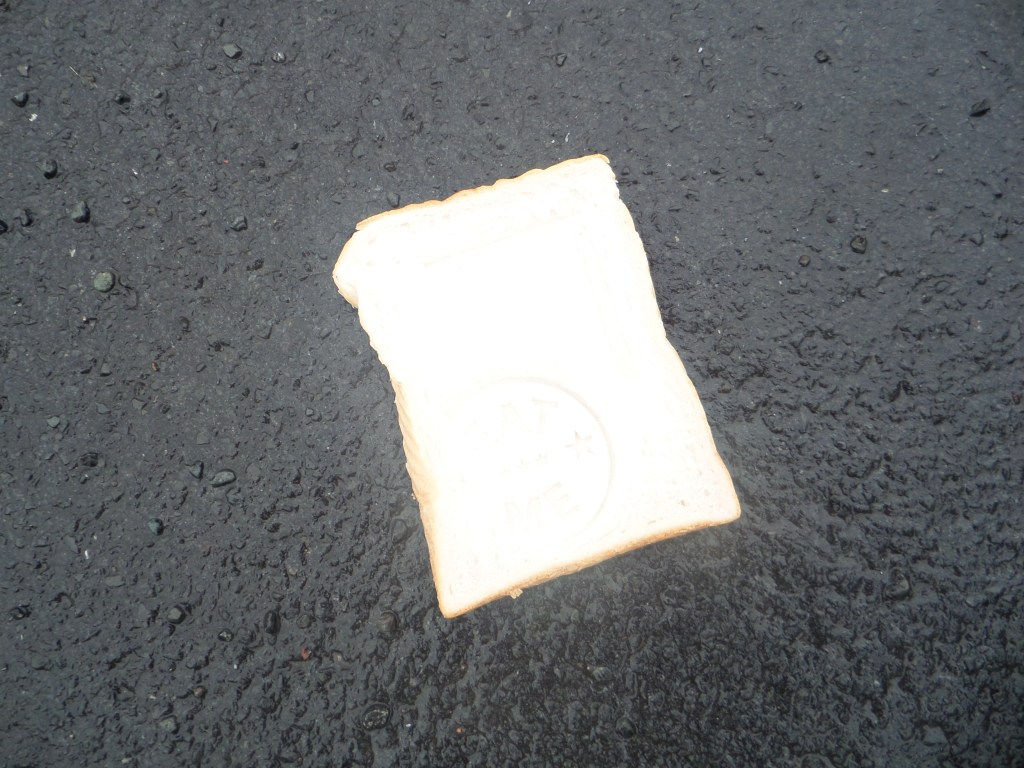
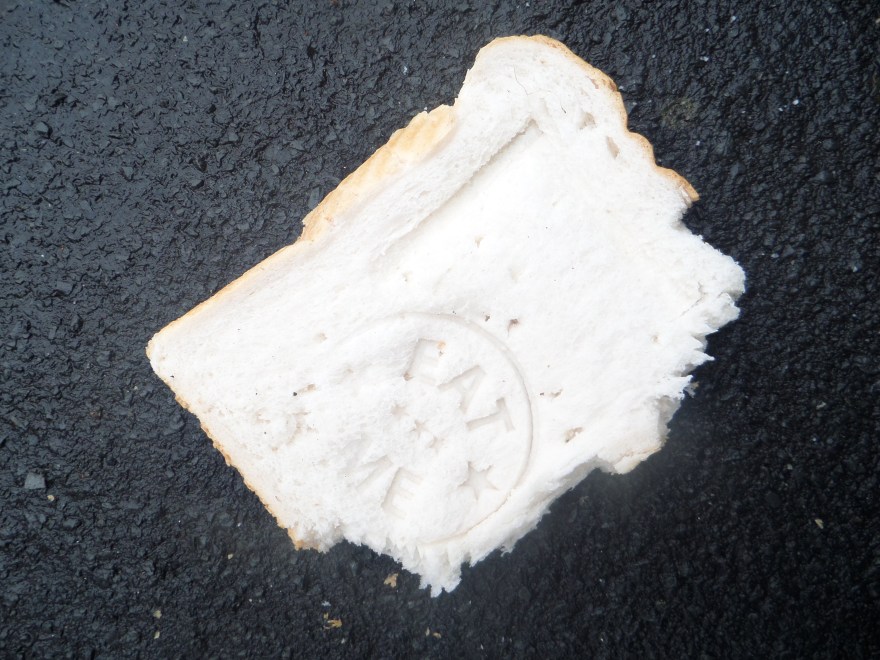
The bread on the crumb trail glowed like ghostly floating objects when I photographed them. I liked the otherworldly feel.
Finally, I stopped at the telephone exchange in a substation and used a one-off signifier to show the end of the journey. We had found the source of the Internet.
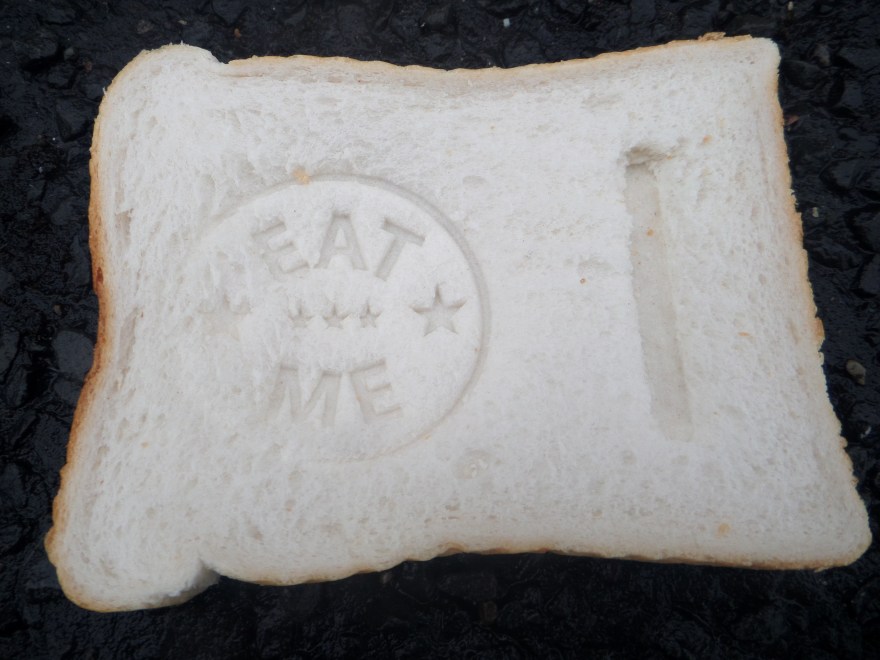

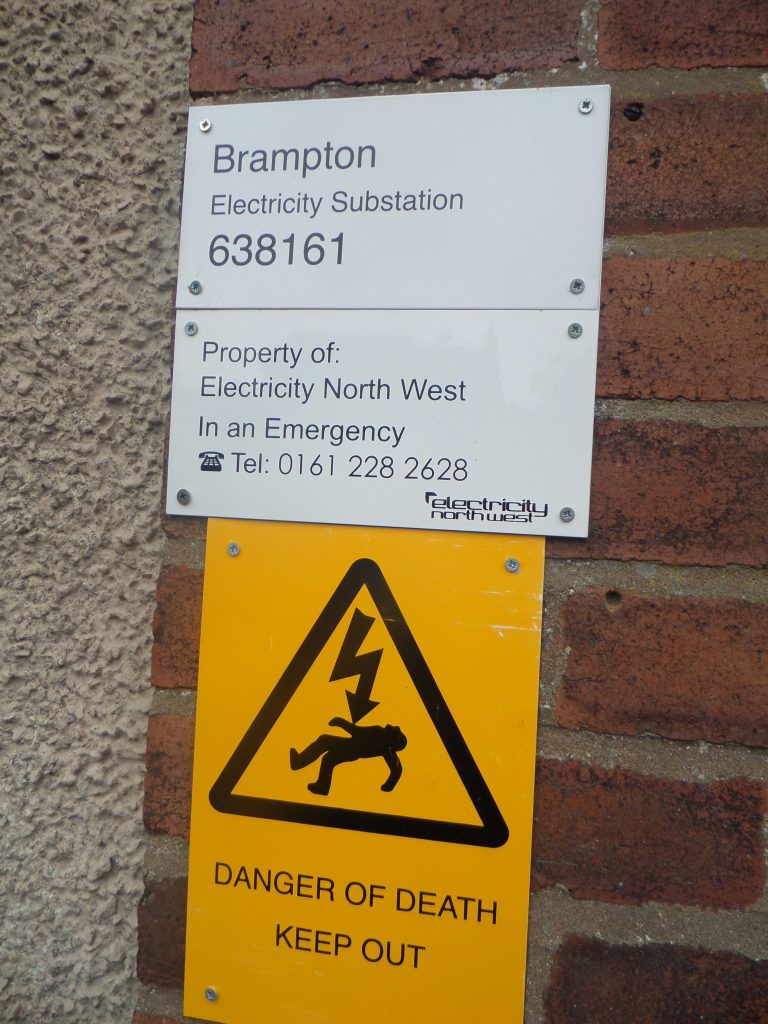
I dropped the slices as I walked away from my house, like Hansel would have done when his father led him and his sister into the woods to kill them. I walked back to see which ones had gone. they were all there except the first one had been nibbled by birds.
Make the Crumb Trail in Online Space
Conc
Estelle Barrett talks about art as research being the domain of doing and the senses, and like David Byrne says, it works when you stop making sense.
The point of departure for art as research is the question ‘What if?’. What if could be, ‘What if I tried to show this mountain landscape by pressing paint onto a canvas?’ What if I wanted to use an orchestra to make music that makes people think of the sea?’ or ‘What if, in 1949, I were to use words, as a novel, to explore ideas about a future state controlling personal actions? How would the world look in that future, in say 1984?’ In each case, you learn about paint, or music or words and about mountains, and the sea and the future, but you are never sure what you will learn.
The cgreat futility of breadcrumbs. you cannot he visible to thousnds of people i=on the internet and invisble to trolls and ther NSA
offline spaces are less visble,
offline spaces are levelers, the consultant as King Lear only a king in his court and thus maybe not accesible to orthodoxy and power. Empire ?
(1) Practice as Research – Approaches to Creative Arts Enquiry. Edited by Estelle Barrett and Barbara Bolt. I.B.Taurus Press
(a) pg 198
(2) The Complete Fairy Tales of the Brothers Grimm. Translated by Jack Zipes.
 Moving Space