The world is and not or
It means I can be right and wrong
it means you can be right and wrong
It means the solutions are you and me
The world is
Right and wrong
Not right or wrong
You or me
Us or them
Black or white
Woman or man
Bad or good
Problem or cause
Binaries bind us in conflict
Separated in a joined-up world
Of right and wrong
Be more than you and me
Be we
Tag Archives: Neurodiversity

Post Factual
I’m just in the process of bringing some fiction writing to the site. It is partly started, I have a few episodes of a fictive theme on global warming and how to have a response by writing fiction about it and not going mad with fear or despair.
It developed a block, and I unblocked it last week, interestingly, about the time I committed to writing a poem or a post a day. Funny that! It will appear sometime soon as posts and I like the idea that it will be shared as posts and it will work in a post-factual way. We don’t have to get stuck in ‘facts’ but we may see what may follow after the fact, in fiction.
Anyway…
I found this below on Tumblr. It should link to the site.
No idea what ‘Periodic rent-lowering-gunshots:’ means. Maybe inform me.
But this just gets to what the power of fiction, especially fiction you write yourself FanFic, Pomes, stories, whatever.
This could be a bit like an arts/writing/reading manifesto.
I chose the picture ‘cos I like that you can close the book and the writing is still there, but in a closed book. I think that just as online life for many people took off, Harry Potter came out as a book. People found they could close the book, and the writing is still there, but in a closed book, but they cannot close off social media.
It controls sensory overload.
#dvolvd
Helping ND Brains Learn
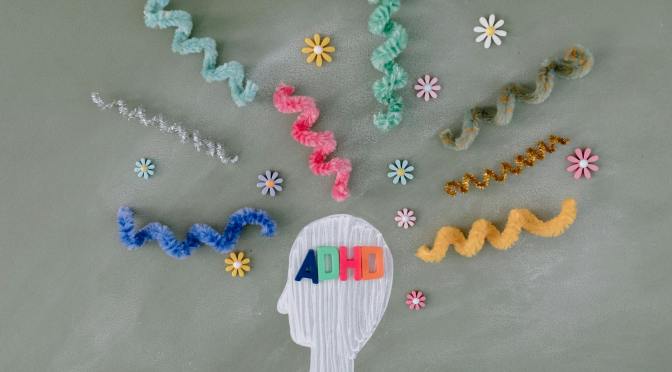
This short article from Medium connects learning and brain activity and neurodiversity.
It revolves around neuroplasticity… ‘Neuroplasticity — the brain’s ability to reorganize itself by forming new neural connections — is not a static trait, but a dynamic process influenced by environment, behavior, and technology.’
The risks to ND brains from the highly structured algorithmic online world of scrolling and swiping is highlighted. An emphasis on fluid rather than fixed intelligence is developed.
The article states that studies from ‘Trends in Neuroscience and Education’ emphasize the need for embodied, curiosity-driven learning models. When students engage through movement, emotion, and autonomy, learning is retained more deeply.’
This is just what art making does. This potentially makes it particularly useful to ND brains.
Click here or on the image below to see the article.
 Moving Space