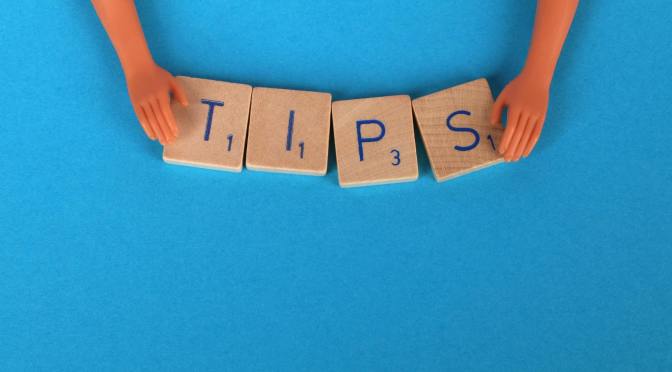
- The art is the experience. We learn to make art through our experience of art making, so art can be used to learn about our personal experience.
- Make art not Art. We cannot all be artists but we can all make art. Make some art to neither sell nor show. Treat art making as research and investigation of yourself.
- Intend to attend. Pay attention to what you make and what happens when you make it. This makes making art like meditation. Inhabit and enjoy the process.
- Make art as adventure. It is a journey of uncertain outcome. Enjoy the journey. Your destination will make itself known, and it will pass.
- Make art as performance. It is what happens between you doing and you seeing what you are doing. Your thoughts and deeds are the material of your own acting.
- Just keep going. Do little bits regularly. Take a break. Benefits appear and grow over time. Just keep going.
- Attend to other peoples art. Find stuff you like and want to copy. Steal it and make it your own. All art starts with theft. Be a thief.
- Try lots of ways of making art. Find stuff you like and explore your way of making it. If you don’t like it, don’t make it. Be ruthless.
- Art is anything you make as art. You can paint, sing, dance, walk, sculpt, write, sew, draw and even sail or sleep as art. Seriously it’s all been done. The world is your oyster.
- Show and share carefully. If you do show what you made, show it to your people, the ones you trust. It is still art even if it is not in a gallery or for sale. People, including you, don’t need to like it. Your art can speak for itself. This is it’s power. Pay attention.
Tag Archives: Written Word
Items about writing and literature
Art is Not Truth
“We all know that Art is not truth. Art is a lie that makes us realize truth, at least the truth that is given us to understand. The artist must know the manner whereby to convince others of the truthfulness of his lies.”
Pablo Picasso
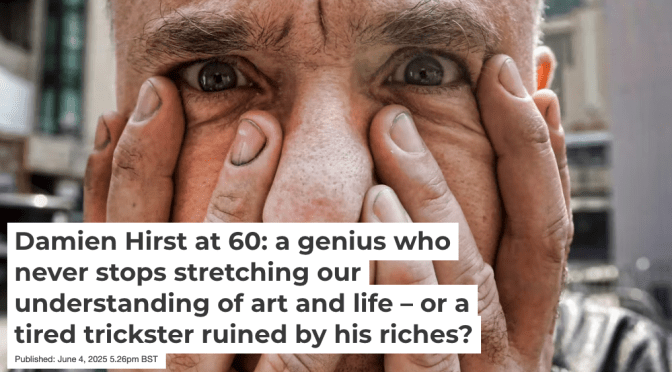
Interesting article from The Conversation. It is a well-reported account of the work of artist Damien Hirst discussing, amongst other things, truth in art, and specifically ideas about art as process and product.
Click the image below to access it.

Page 1 of 2 – Click below for more
Resistance
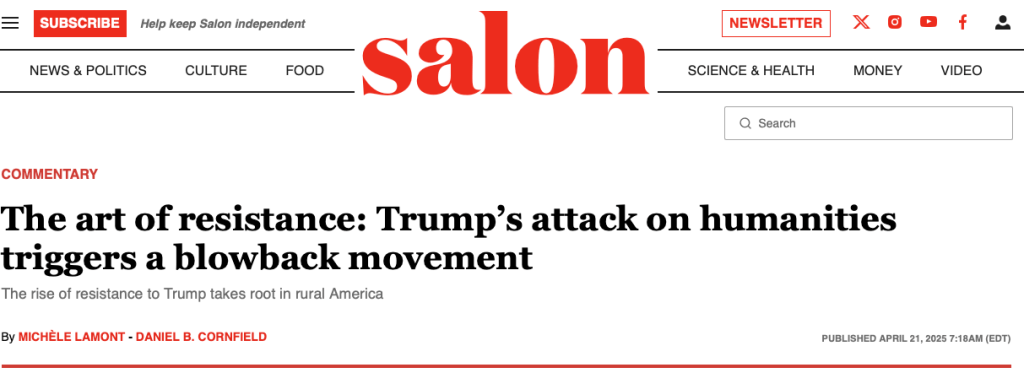
Click the image above for the link.
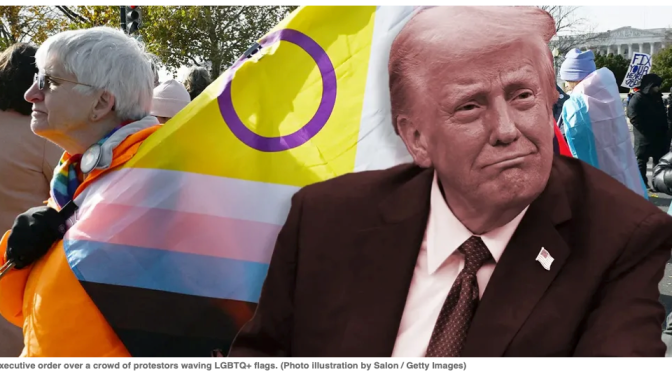
This is an article about a country, or at least an administration, at war with the arts and the humanities.
Its main thrust is a story of resistance, but on the way it tells a story of what the arts do in the lives of people exposed to arts practice and the humanities.
In summary, I think what the arts do here has the following characteristics.
- Participating in art in the community brings people together and, as the article says to, ‘..play a crucial role in fostering social bonds, as well as community and local identity and pride. As such, they are vital to social resilience..’ From my experience of care, resilience emerges out of attention and attachment. People are attended to, attend to each other and, vitally, attend to themselves. They see themselves being seen. They hear themselves being heard. Like the article says, arts activities like storytelling, ‘..uplift youth voices, nurture resilience, and build essential writing and communication skills’ in trauma-informed spaces connecting youth and educators.’ Resilience is an antidote to trauma. Each centre for art activities is ‘..a venue for self-expression and self-realization for many young people, in a context where few economic opportunities are available.’
- The creative sector, whilst it does not raise lots of money to the participants, it promotes the flow of money, invigorating communities. It promotes social capital and entrepreneurship. People learn to do stuff. Art making is active and is thus prone to activism.
- Therapeutic interventions reduce the burden of health services in the long term. It is plausible that the people receiving arts therapies may develop an interest in the arts and have some aspects of personal arts practice enhanced, with health benefits. The article talks about the way art practices in the community ‘..enable audiences to engage in critical reflection and preservation of human histories, cultures, values, and beliefs.’ The same goes for personal arts practice.
That this is an article about resistance emerging in the arts is expressed in the quote of Ursula Le Guin
“Resistance and change often begin in art, and very often in our art, the art of words.”
Ursula Le Guin
People not only thinking and speaking for themselves, but being given the means by which to do so systematically, is an impediment to the act of power speaking and thinking for people. Art and it’s makers can speak for themselves.
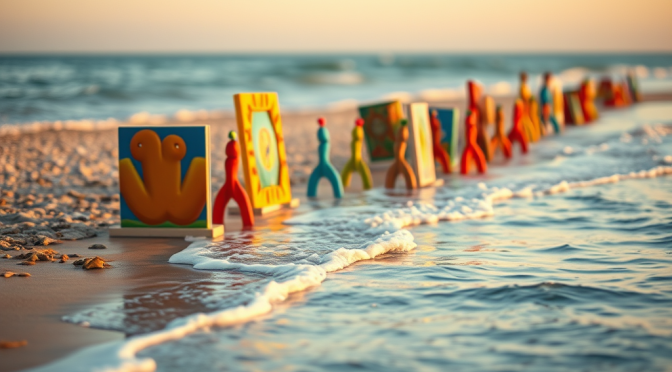
Sea Art
Last night at bedtime I was reading John Cages’ book ‘Silence ‘ here.
He was writing about the art of Robert Rauschenberg here and I came across this quote…
The paintings were thrown into the sea after the exhibition. What is the nature of Art when it reaches the sea?
John Cage – Silence p98
I intended to read more, but that idea was so good I decided to sleep with it in my head.
The idea of going to see art in the sea.
Sea art.
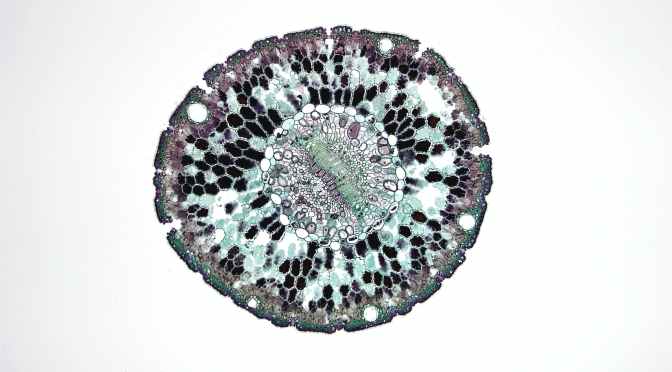
Gestate
Sometimes it takes a long time
But be not afraid or downhearted
Like the Celtic day, starts at dusk
And their year, as winter starts
Growth begins in darkness
And, disembodied,
A growth contained
In an others body
A cell
Then two
Then four
Geometric progression
Grains of rice doubling on a chess board
Until a space is filled
The Blastosphere
A yoke sack, an anus and a mouth
A literal visceral vesica pescis
A vessel
A fish
A body of water in water
A boundary and nothing more
It is, and is becoming
Some thing
A boy
A man in body only
In me is spirit
Sexless, disembodied
I don’t care about my pronoun
I am it, he, we
I am legion
I am no thing
Nowhere
And everywhere
My body lets me speak, and act and reproduce
But I am discombobulated, dissociated
Disinterested really in bodies, even my own
And, enjoying inhabiting this mans body yet
I would love to inhabit a woman’s body
Or a fish or a cloud or a body of water
To find out more about consciousness
To remember, after being a mole
About being blind in blackness digging in my garden
So instead I embody things in
The intelligence of materials
Paper, or ink, or words on a page
And speech
To make the air vibrate
In your ear.
About Gestate
This was written for performance. It was a thing that fell out of me and was very personal and was quite an important trail marker on my art as an adventure and research trail. Often artform preempts material emerging into consciousness. It kind of acts like an alchemical process and distils down lots of raw material then allows the product to float up to the surface. In art making this is sometimes called percolation. I call it incubation. But different words for the same thing. Regards this website, it says a lot about what art as research feels like. Regards me, it revealed some personal stuff that was emerging for me.
It is also about poetry and art making and what art therapist Pat B Allen here and here calls, spiritual technology, the latter descriptor being consciously and deliberately and accurately oxymoronic.
As performance, the poem was designed to be heard and not read. So below is the poem as spoken word.
Gestate

Poetry & Health
10 Poetry Books About Mental Health
A great article from the wonderfully named book website Book Riot here. On the site the author Chris M. Arnone says of their choice. ‘The final result is a list of great poetry books, all focusing on different aspects of mental health, and most are from poets who are relatively unknown to readers.’ To visit click button below.

4 Tips for writing poetry to promote wellbeing.
Write so only you see your poetry.
Step out of the idea that poetry is written to be read by other people. Write so only you see it. The benefits start with you thinking about some thing you want to write about. You commit an intentional act. All art is intentional and you can write with the intetion to to keep your art making private. The next benefit is you see your words, your ideas, your thoughts as if on the stage of the empty page. You become the audience to your own drama. You have permission to be a queen.
This will not open a can of worms.
The act of writing will not cure your ails, nor will it unlease a hidden demon. Shaun McNiff, Arts Therapist, says the benefits of art making emerge out of many small acts of witnessing. In writing and seeing your words you witness yourself. They say mad people talk to themselves. This is not true. Sane people talk to themselves because they realise it is the world that is mad. In talking to yourself you get a sensible converation. Try and remember to write when you feel like it or need it. Don’t sweat if you don’t write for a week. Get a book or an app to write in and use it at will.
Treat your art based outing as if a journey.
On the journey you will spend time on a well trodden path or go cross-country, you may bushwhack. The good days are the trodden path. The anxious days are when it your life goes off-track and into the wilderness. When you are in the wilderness, leave trail markers. For a trail marker you clip a tree with an axe to show where you have been, to better find your way back should you get lost. These markers will be your private writings. They are little clips of words that mark your trail. This is what you put in your book or app.
Read back what you wrote in privacy.
Your word clips, your poems, show you where you have been. You witness yourself. This may help you descide where next to go. Commit to privacy by buying a notebook with a closure, or close it with a hair band or elastic band. Use this act to reinforce your intention. This is intended for your eyes only. When you read the content of your book, just observe what you see. Make, where possible, no judgement. If you do. Write it down and witness your judgement. This is like meditation. It is Intention, attention, attitude. The intention is to write, the attention is your witnessing, the attitude is one of witnessing yourself not beating yourself up.
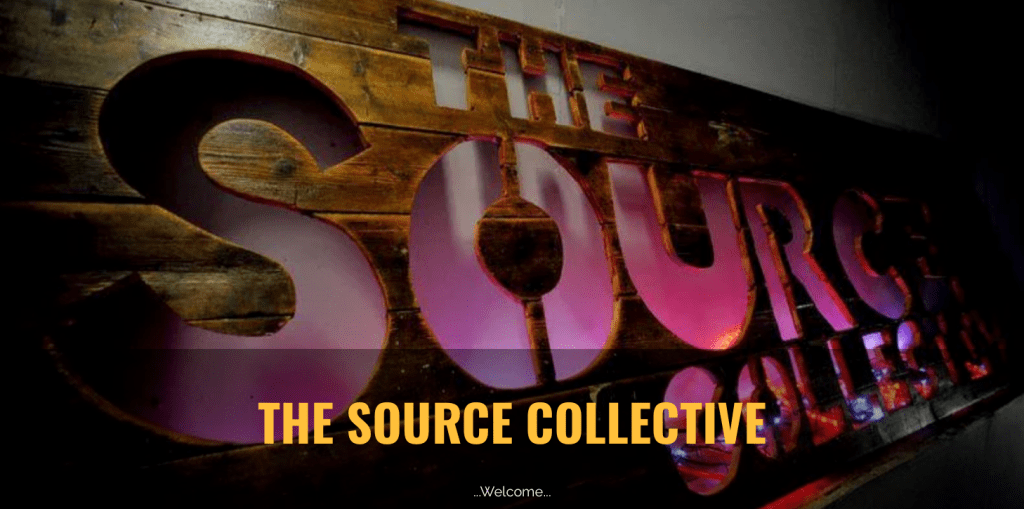
If you are in the Carlisle area of Cumbria please feel free to share your poetry, music or any other form of expression not concidered unlawful, at The Source Collective ‘Speakeazy Night’, last Wednesday of the month. It would be great to see you or hear you. I will be there. Chris Reed. Click below for more details of The Source. Some great gigs comin’ up….
The Analogue Object
After reviewing my photography and looking at images I had not looked at for years, my re-viewing also took another retrospective perspective.
Years ago I became fascinated by the whole idea of DTP, Desk Top Publishing. In those days I had access to Adobe Pagemaker here now InDesign. I briefly had a part-time job as a magazine editor but around this time the scope to publish online became more easily available and I had various websites. Whilst I maintained an interest in magazines and paper based analogue communications, the world fell in love with the digital on-line world. Like painting, the death of the paper newspaper, the death of the analogue has been predicted for ages. See here and here. But vinyl is being sold in my local supermarket again. Maybe the analogue is not to dead. All that stuff we did years ago that we no longer do is maybe useful after all.
I love the interweb but at heart I am a group worker, a carer, a therapist. I like the hands on. I have an interest in the digital and invite discourse online, but the idea of ‘friends’ and followers online kinda always bemused me. I am 65, forgive me.
I have lost touch with a couple of people I used to be.
Joan Didion
My re-viewing has taken me back to inDesign. I reconnected and actually did some online (YootYoob!) training and now finally understand the power of the frame and its relationship with content for example, something that drove me mad before. As a professional trainer I should know better than to expect intuition to guide me.
My goal is to develop work with art-making locally and I am exploring making a free newspaper to be distributed locally to invite fellow travellers to join in an art-making journey as well as people joining an online conversation. The image I have is a kind of Art Fanzine. See here and here. In the second link I loved the simplicity of the little magazine made out of an A4 sheet. So… the possibilities are endless. I want a kind of slick looking A4 minimal magazine like this here with a clear narrative inviting people to use art making to promote their own health and wellbeing, but also I could make little fanzines to promote my website, designed to be a bit more rough and counter-cultural. I like graffiti art and particularly stickers, here but don’t really want to be breaking the law to promote my work.
So I love my online digital object, but I have reconnected with the analogue object. It feels oddly counter-cultural.
 Moving Space